The category, explained
What is açaí coffee?
Açaí coffee is made from the seed of the açaí fruit, roasted and ground. It brews like coffee, in the same machine, using the same method. It has never contained caffeine.
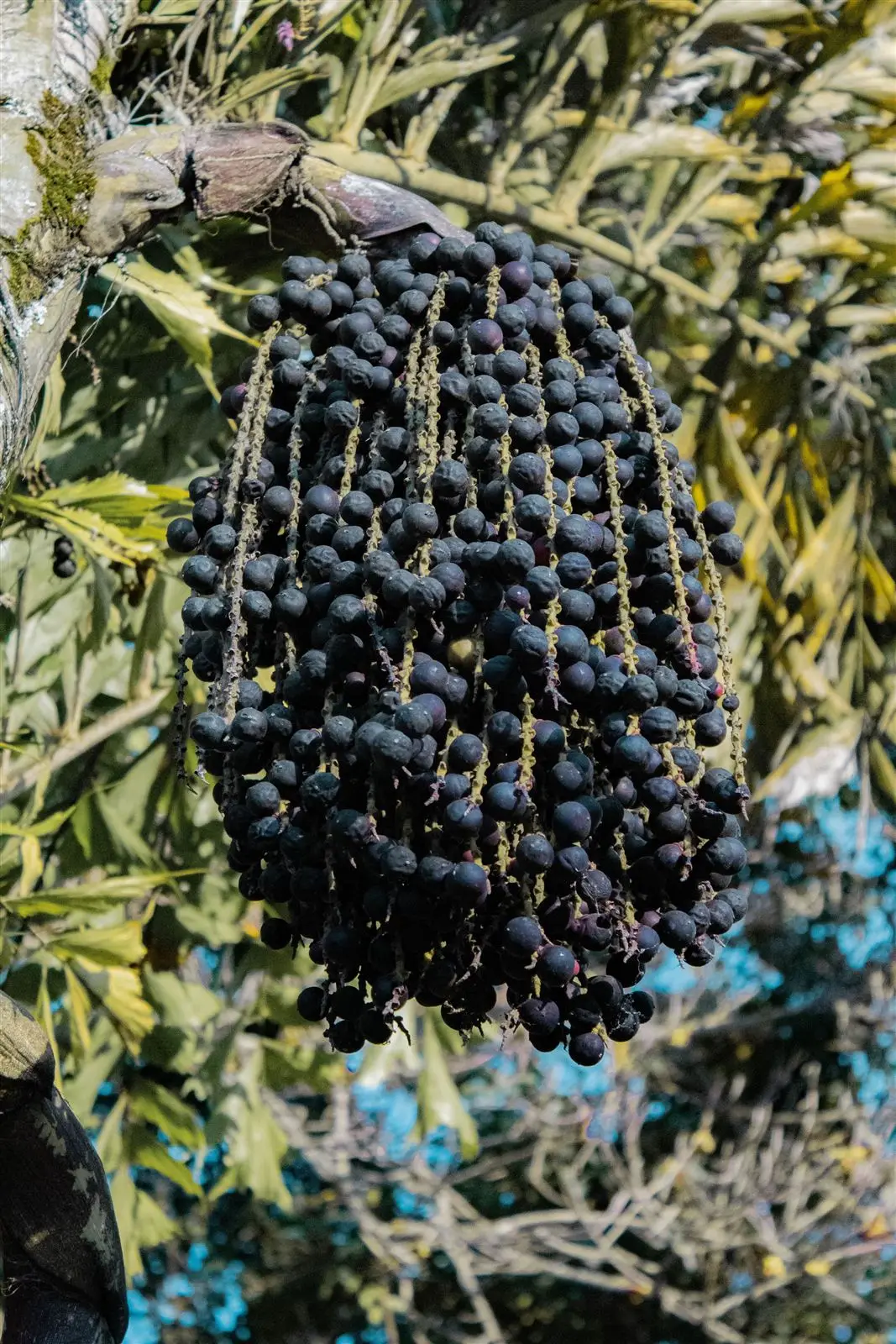
Start with the fruit
Açaí grows on palms in the floodplains of the Amazon, mostly in the Brazilian state of Pará. The fruit is small and dark purple, and it is almost entirely seed. Around 85% of the weight of an açaí berry is the stone in the middle.
The part everyone knows, the deep purple pulp in smoothie bowls, is the thin layer scraped off the outside. The seed underneath was treated as waste for generations. Brazil discards hundreds of thousands of tonnes of it every year.
In the interior of Pará, people worked out a long time ago that if you dry that seed, roast it and grind it, you get something you can brew. That is açaí coffee.
It is not coffee, and it is not decaf
This is the part that confuses most people, so it is worth being precise.
It contains no coffee. The açaí palm and the coffee plant are unrelated. Nothing in the bag came from a coffee bean.
It is not decaffeinated. Decaf starts as ordinary coffee and has the caffeine stripped out, usually with solvents, water or carbon dioxide. Açaí seed never had caffeine in it. There is nothing to remove, so nothing is done to remove it.
It is not açaí-flavoured coffee. Some products sold in the United States under the name “açaí coffee” are regular coffee blended with açaí berry and sweetened. Those contain caffeine. If you are avoiding caffeine, read the ingredients rather than the name.
How it compares
| Açaí seed coffee | Coffee | Decaf | Mushroom coffee | Tea | |
|---|---|---|---|---|---|
| Caffeine | None, naturally | Yes | Trace, removed by processing | Usually yes, most are blends | Yes, unless herbal |
| Ingredients | One | One | One, plus processing | Several | One |
| Brews in a coffee maker | Yes | Yes | Yes | Usually instant | No |
| Body | Full | Full | Full | Light to medium | Light |
| Acidity | Low | High | High | Low | Low to medium |
| Made from something otherwise discarded | Yes | No | No | No | No |
What it tastes like
Dark and full-bodied, much closer to coffee than to tea. Earthy and nutty, with a clean finish. It is low in acid, so it does not carry the sharpness or the bitterness that a dark roast coffee does.
It does not taste like açaí smoothie bowls. The pulp and the seed are different parts of the fruit and taste nothing alike. Nobody has ever described this as sweet or berry-flavoured, ourselves included.
How you make it
Exactly the way you make coffee. Same grounds, same ratio, same equipment. A drip machine, a French press, a pour-over, a percolator, an espresso portafilter, or overnight as cold brew.
There is nothing to learn and nothing to buy. Full brewing guide here.
Why the seed is worth using
Two research groups published the first proper characterisations of roasted açaí seed as a coffee substitute in 2025 and 2026. They confirmed that the seed is high in dietary fibre and retains a measurable polyphenol content after roasting, and that brewing at coffee-maker temperatures extracts it effectively.
The same research found something that matters more than any of that: how the seed is roasted changes what survives in the cup, and most producers do not control it. That is worth understanding before you buy anyone’s.
Where it comes from
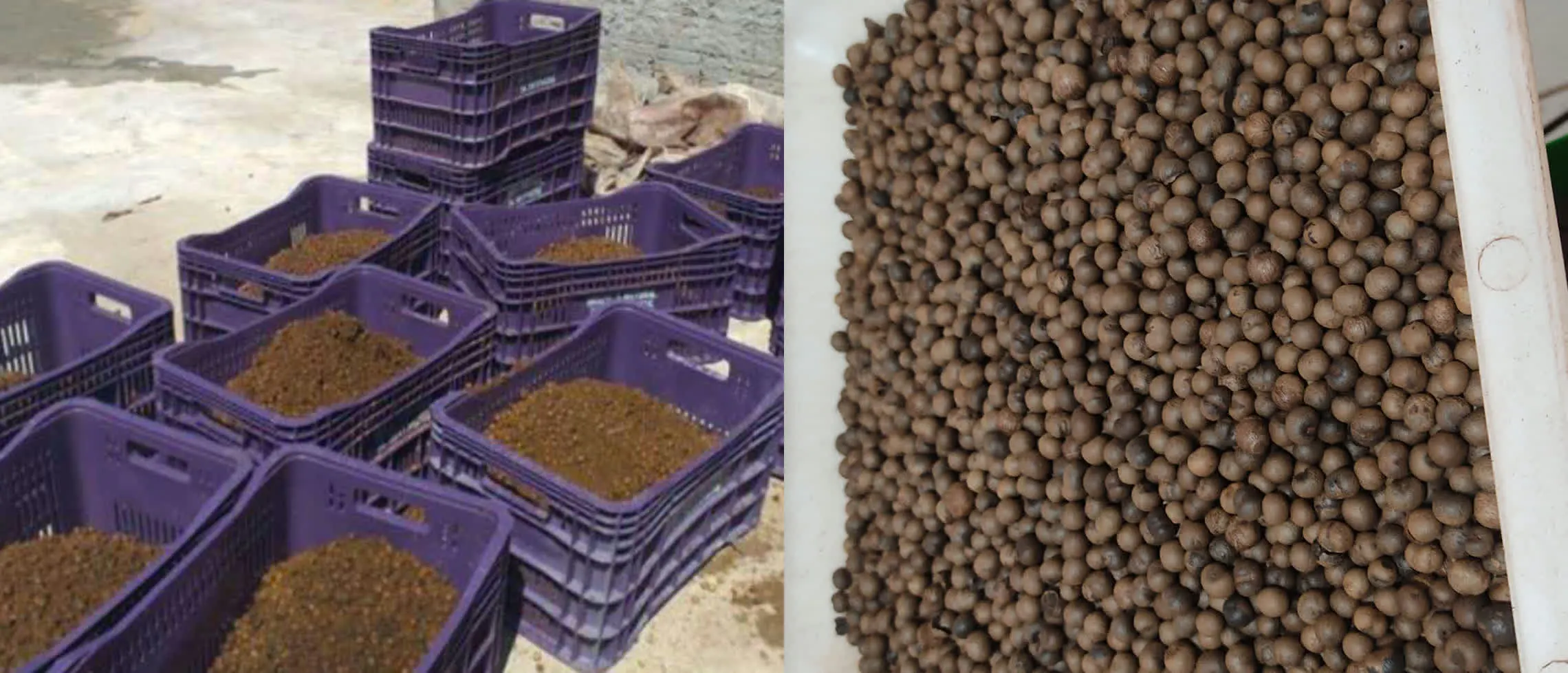
Over ninety percent of the world’s açaí is grown in Pará, in northern Brazil. Most brands selling açaí coffee in the United States buy from producers there and package it under their own name.
We are one of those producers. This is our factory.
Not yet shipping in the United States
Be first to know when we ship in the US
We are working through US import and labelling now. Leave your email and we will tell you the moment it is available, and nothing else.