Process
Most açaí coffee is roasted by eye. That is a problem.
The research on this is new, and it says something uncomfortable about the category: roast the seed too hot and you destroy the things worth drinking it for, while making the powder look more like coffee.
What the research found
In 2025, a study characterising roasted açaí seed beverages from three Brazilian regions found wide variation in quality between producers. The authors attributed it to a lack of standardisation in artisanal roasting. Put plainly: everyone is doing it differently, and it shows.
In 2026, a second group went further. They roasted açaí seed across a controlled range, from 165°C to 235°C and from 8 to 22 minutes, and measured what happened to it.
Higher roasting temperatures reduced phenolic content, antioxidant capacity and inulin. Temperature was the dominant factor. Colour darkened with both time and temperature.
Read those two sentences together and the trap becomes obvious. The hotter you roast, the darker the powder gets, and the more it looks like the coffee it is standing in for. It also loses more of the fibre and the polyphenols that made the seed worth using in the first place.
A roaster working by eye, aiming for a colour that looks right, is being pulled in exactly the wrong direction.
Where the good stuff survives
The same study found soluble solids peaked under mild conditions, around 175°C for 10 to 20 minutes. That is the window. Hotter is not a stronger roast, it is a diminished one.
What is in the seed before roasting
| Component | In raw açaí seed |
|---|---|
| Dietary fibre | 84.25 g per 100 g |
| Inulin | 16.05 g per 100 g |
| Total phenolics | 37.07 mg GAE per g |
| Minerals | Notable, potassium in particular |
Figures from Pereira et al., Journal of Food Biochemistry, 2026, measuring seed from Afuá, Pará. These are the published figures for açaí seed as a raw material, not a nutritional analysis of Dripssai.
What we control
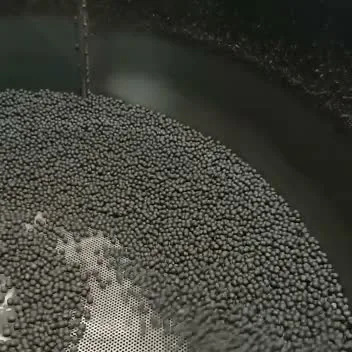
The seed is roasted under controlled speed, temperature and uniform pressure, rather than judged by eye. That is the difference between this and most açaí seed on the market: the research below found quality varies widely between producers precisely because roasting is usually done by colour and instinct, one batch at a time.
The controls start well before the roaster, though, and the two that matter most are at either end of it.
Thirty-six hours from the tree
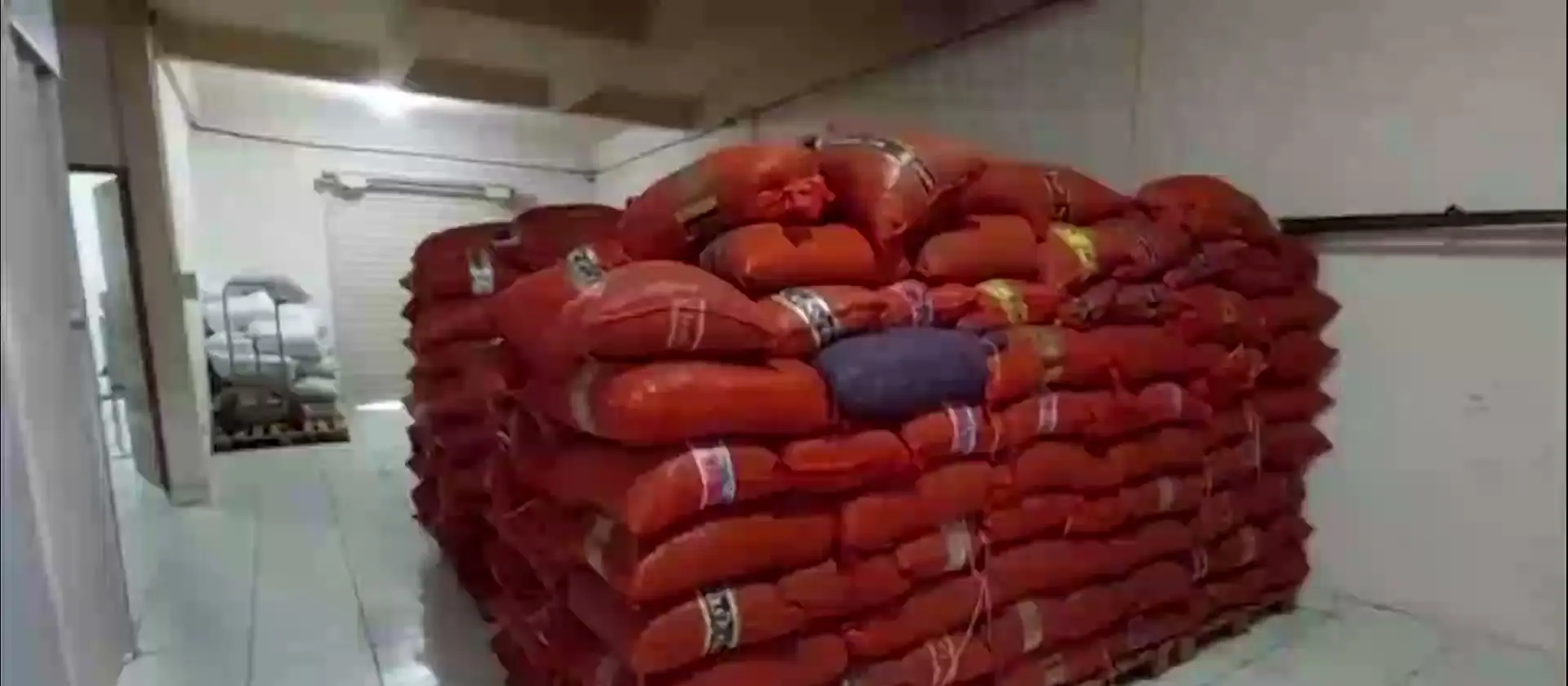
Seed is collected within thirty-six hours of the fruit being harvested and de-pulped. Açaí seed does not keep once the pulp is off it, and a producer buying seed from a third party has no way of knowing how long it sat. Ours is washed, graded by how long it has been out, and dried to a controlled moisture point before it is stored.
The roast is stopped, not left to fade
Coming out of the roaster the seed goes straight into high-speed extraction cooling, so it stops at the intended point instead of continuing to cook in its own residual heat. That is the step that protects what the research below says over-roasting destroys. The outer roasted fibre is then removed, and goes back out as fertiliser rather than waste.
Ground seed is packed within twenty-four hours, into laminated zip-lock pouches that keep out light and heat, sealed and marked with production date, batch and expiry.
What this does not mean
The research above was carried out in a laboratory, on seed from Afuá, by scientists with no connection to us. It tells you why roasting temperature matters. It does not measure our product, and we are not going to present it as though it does.
Any figure we publish about what is actually in Dripssai will come from laboratory analysis of Dripssai.
References
- Pereira et al. (2026). Roasting-Induced Changes in Bioactive Compounds and Volatile Profile of Açaí (Euterpe oleracea) Seeds Powder. Journal of Food Biochemistry.
- da Silva et al. (2025). Upcycled Beverage From Roasted Açaí Seeds: Antioxidant Capacity and Cytoprotection Through Gastrointestinal Simulation. Molecular Nutrition & Food Research.
- Lima et al. (2025). Investigating Roasted Açaí Seed Powder as a Coffee Substitute. Foods, 14(15):2696.
Not yet shipping in the United States
Be first to know when we ship in the US
We are working through US import and labelling now. Leave your email and we will tell you the moment it is available, and nothing else.